






Hanging System How To:
Hang Unframed Artworks on Picture Hanging Systems
Many Gallery System users — including artists and teachers — need to hang unframed art on a regular basis. We’d like to share some tips from our customer service team on art hanging for works that are matted, wrapped in plastic, or presented in other less-formal ways.
One initial consideration is weight. In most cases unframed works are very lightweight, but there are exceptions. Some artists like to work on medium density fiberboard (MDF), plywood, or other substrates that can be quite dense and require a more substantial approach to art hanging. If you have any concerns, weighing the piece in question is a good idea.
Size also needs to be taken into account. Smaller pieces in a vertical (portrait) format can often be hung from a single attachment point, but horizontal (landscape) works generally benefit from paired hooks and hangers, especially in larger sizes.
The Binder Clip
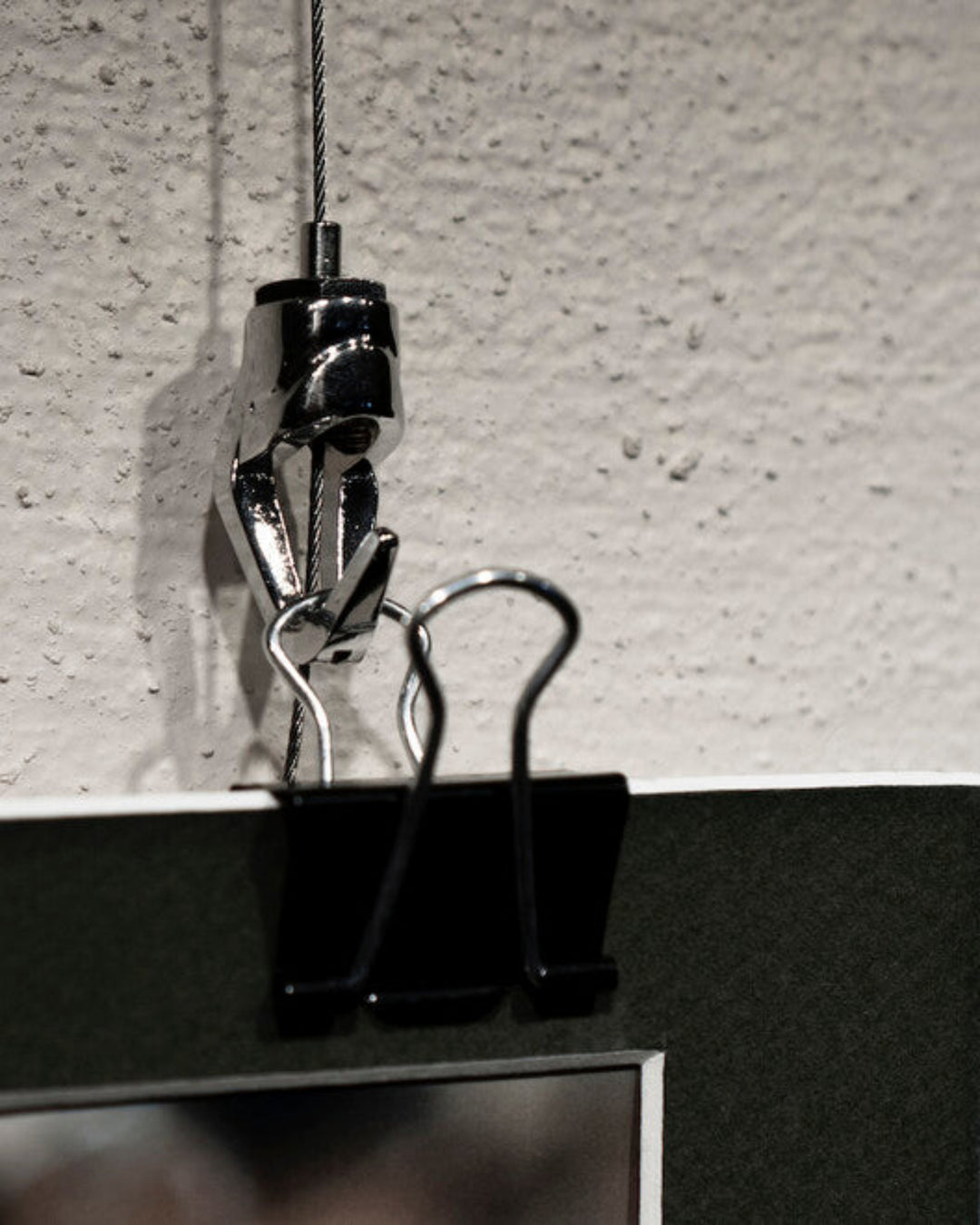
One of the most basic approaches to hanging unframed art is the use of spring-loaded clips. One common type, known as a binder clip or paper clamp, is widely available in many sizes at office-supply stores. These are economical and reusable; one or two medium-sized ones can be quickly attached to the top edge of an unframed piece with the looped-wire handles serving as attachment points for the picture hanging system hanging hook (as seen at left).
Bear in mind, though, that binder clips exert substantial pressure over a small area on whatever is between their jaws. That’s exactly what they’re designed to do, and in an art hanging situation it can result in permanent impressions being left in mat board or foam core, or on an artwork itself.
In some situations, like showing rough sketches or draft works, that’s OK, and you can minimize the effect by placing small pieces of cardboard, metal, or wood between the jaw and the work. But be mindful if you’re working with more-precious pieces, and run a test on a spare piece of material if you have any concerns.
The Bulldog Clip
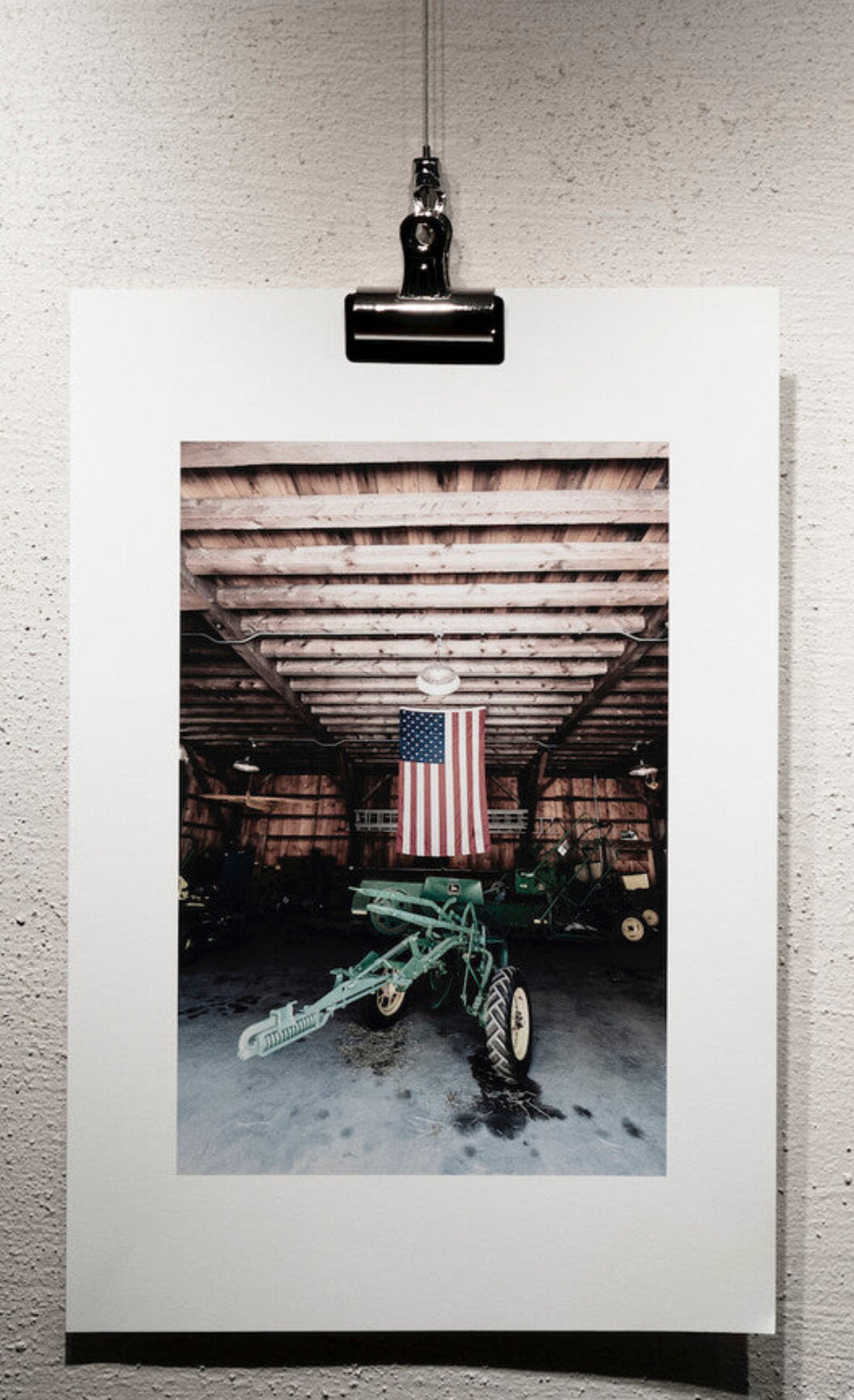
A cousin of the binder clip, the bulldog clip (seen at right), is commonly found in art studios where it’s used in dozens of applications. While designs vary, most bulldog clips have jaws designed to distribute the spring’s stress over a much larger area than the binder clips, either through the use of flat metal strips or specially shaped jaws. When choosing a bulldog clip for art hanging, look for ones with the largest area of contact between the jaws and the item being held.
Most bulldog clips have holes in the ends of their handles, which can be conveniently used for hanging, but some are quite small. Gallery System picture hanging system hooks are just over ¼ inch (about 8 mm) wide at the bottom, so for best results seek out clips with holes that are 3/8 inch (10 mm) or larger.
The Hang Tab
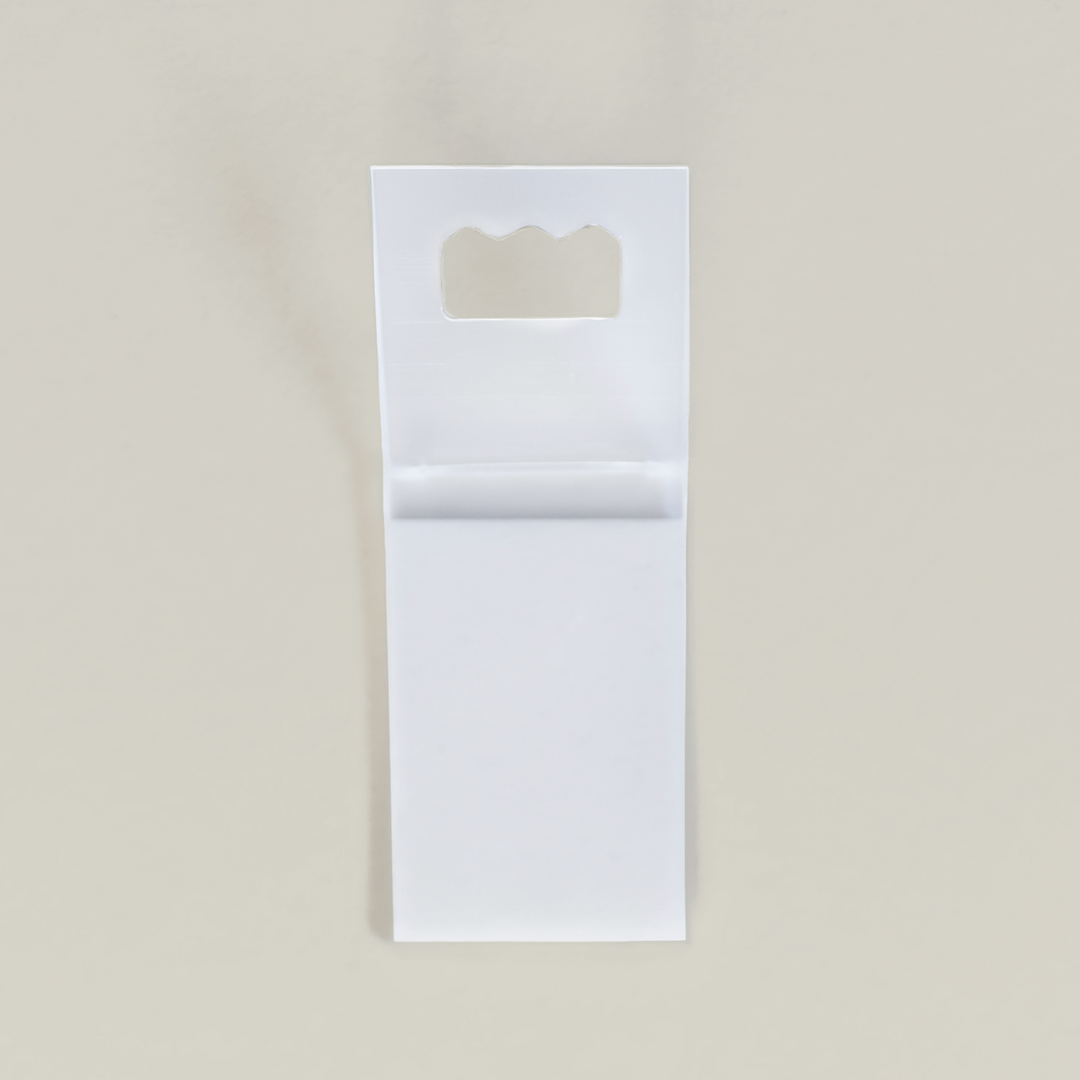
If you’re looking for something more discreet and less utilitarian than clips, Gallery System's ZigZag Hangers are an excellent option for lightweight works.
These clear plastic adhesive hanging tabs are less obtrusive than clips and are very economical with a zig-zag shaped cutout that makes them self-leveling. They have a self-adhesive strip to attach them to the unframed work; like any adhesive of this type, it should be considered permanent when attached to softer backing materials like paper and fiber.
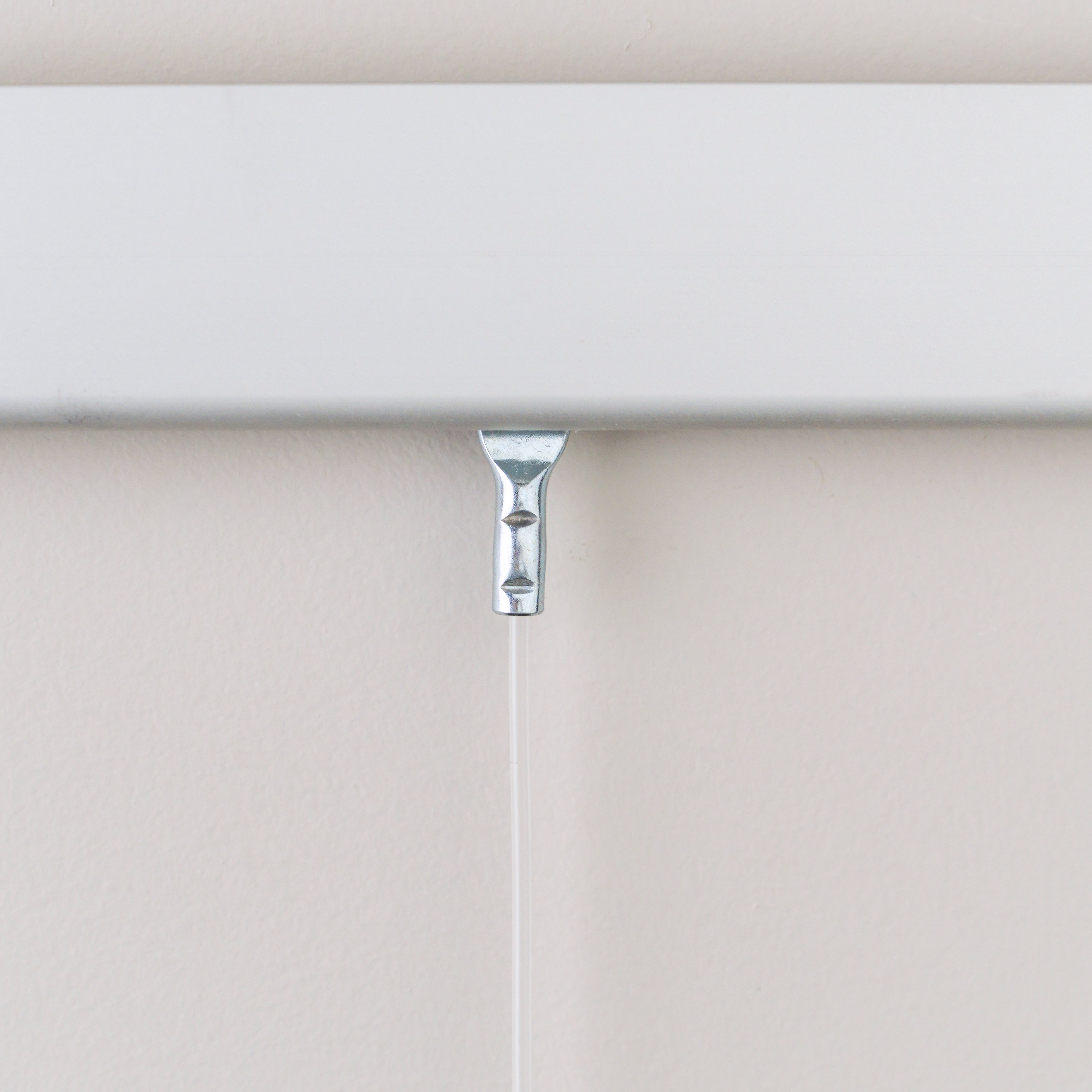
If the work you’re hanging is on foam or corrugated board that’s at least ¼ inch thick, you could also consider these metal sawtooth hangers. They have sharp metal prongs that press into the back of the work, so again it’s important to use them only in art hanging situations where that’s not going to damage anything precious. But they do add invisible hanging points for a picture hanging system and have a specified capacity of 1 pound with one hanger or 2 pounds with two.
Whenever you’re attaching hangers to the back of a work, keeping them as close to the top edge as possible (and at least ¾ of the way up) will help prevent the piece from leaning forward when hung.
As always, the Gallery System customer service team is ready to help with any questions you have about art hanging or selecting and using our Original Gallery System and GalleryOne picture hanging systems. Call us at 1-800-460-8703 (or 781-237-8856 from outside the US), or email info@gallerysystem.com.
And if you’ve got a creative solution for hanging unframed art, let us know – we always like to share updates with the Gallery System community!
GalleryOne Hanging Kits
The fastest way to easy art hanging — our GalleryOne kits include everything you need to create great displays. Efficient, economical, and they ship free in the Continental US!
